
California DMV out-of-state registration guide involves gathering essential documents, completing forms (e.g., DV-140), paying fees, and adhering to local regulations. Streamline the process through specialized services like Quick Auto Tags for expertise in paperwork, accuracy, and expedited registration. Compare online vs. in-person registration based on preference, time, and budget. Unlock discounts by following guidelines, including smog checks for older vehicles. Proper document preparation is crucial for compliance with unique California regulations. The structured process ensures a seamless experience with accurate documentation and guidance from DMV staff.
In the dynamic landscape of vehicle ownership, ensuring compliance with California’s registration requirements is non-negotiable. For residents and visitors alike, navigating the process of out-of-state registration can be a complex and time-consuming task. This article offers an authoritative guide to uncover the best price for California vehicle registration, demystifying the process and empowering individuals to make informed decisions. By providing insights into the California DMV’s out-of-state registration procedures, we aim to simplify this crucial step, ensuring a seamless experience for all drivers on the Golden State’s roads.
- Understanding California Vehicle Registration Requirements
- Steps for Out-of-State Residents: California DMV Guide
- Online vs. In-Person: Registration Methods Compared
- Unlocking Discounts: Various Fee Reduction Options
- Document Preparation: Gather Necessary Papers
- The California DMV Process: A Step-by-Step Walkthrough
- Common Pitfalls to Avoid During Registration
Understanding California Vehicle Registration Requirements
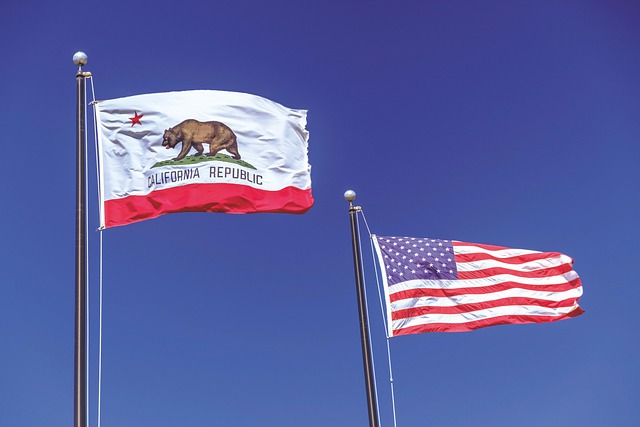
California Vehicle Registration Requirements can be a complex process, especially for out-of-state residents looking to register their private vehicles in Riverside or any other California locality. The state’s Department of Motor Vehicles (DMV) has stringent rules that must be followed to ensure legal compliance and safety on public roads. One key aspect often overlooked is the proper navigation of out-of-state registration procedures, which can differ significantly from local requirements.
For instance, when transferring a vehicle title or registering a newly purchased car from another state, the California DMV out of state registration guide recommends several steps. These include gathering essential documents like the original title, proof of insurance, and valid driver’s licenses for all owners. Additionally, an Application for Title/Registration form (Form DV-140) must be completed and submitted along with the necessary fees. This process can be particularly tricky for private vehicle registration in Riverside due to varying local regulations and processing times.
To streamline this process and ensure a smooth experience, considering private DMV registration services in Riverside can be advantageous. Companies like Quick Auto Tags offer specialized assistance tailored to California’s requirements, including out-of-state car registration. They provide expertise in navigating the paperwork, ensuring accuracy, and accelerating the overall registration process. This approach not only saves time but also minimizes the risk of errors that could lead to delays or penalties, especially when dealing with Riverside’s specific DMV out of state registration procedures.
Steps for Out-of-State Residents: California DMV Guide

Out-of-state residents looking to register their vehicles in California face a process that requires careful navigation through the California DMV guidelines. This guide aims to demystify the procedure, especially focusing on cost considerations for Riverside residents aiming to legally operate their out-of-state vehicles within the state.
The first step involves understanding that the fees for out-of-state registration can vary based on several factors, including the type of vehicle and its age. For instance, a quick comparison between in-state and out-of-state registration costs reveals that while the basic fee for a California car registration is around $50, out-of-state residents might be charged up to 20% more, depending on their home state’s regulations. In some cases, the difference could be as significant as $100 or more for larger vehicles like SUVs and trucks.
To streamline the process, Riverside residents are advised to check with the California DMV directly or use authorized services like Quick Auto Tags. These experts can help with DMV paperwork for out-of-state cars, ensuring compliance with not just registration but also emissions standards. California has strict emission control measures, known as the DMV emissions compliance requirements, which out-of-staters must adhere to. This includes passing a smog test, especially if your vehicle is older than seven years, and meeting the state’s safety regulations.
For instance, quick auto tags services can facilitate the transfer of your out-of-state registration, license plate, and title to California within 1-3 business days, depending on the complexity of your case. This efficient process not only saves time but also ensures that you comply with local laws promptly. By following these steps, residents can avoid penalties and smoothly transition their vehicles into California’s vast automotive landscape.
Online vs. In-Person: Registration Methods Compared

Registering a vehicle in California can seem like a daunting task, especially for out-of-state residents new to the process. The state’s complex regulations and various registration methods can be overwhelming. However, understanding the differences between online and in-person registration offers significant advantages, ensuring a smoother experience and potentially saving time and money.
Online registration through the California DMV’s digital platforms is an efficient and modern approach. It allows individuals to complete the process from the comfort of their homes, providing a convenient alternative to traditional in-person visits. This method simplifies paperwork by offering digital forms, and many quick auto tags payment options are available online, including credit cards and debit cards, making transactions swift and secure. For instance, Quick Auto Tags Riverside offers an out-of-state registration service that caters to these modern demands, ensuring a straightforward process for non-residents. By comparing rates and selecting the most suitable quick auto tags option, you can save on registration costs.
In contrast, visiting a California DMV office is more traditional but may involve longer wait times and potential travel distances. In-person registration requires gathering essential documents, including proof of ownership and out-of-state insurance, which can be cumbersome for those unfamiliar with the process. However, this method provides immediate feedback and support from DMV staff, ensuring accuracy in completing the paperwork for DMV paperwork for out of state cars. It is also ideal for individuals who prefer face-to-face interaction or require assistance in navigating complex forms.
When deciding between these methods, consider factors like convenience, time availability, and budget. Online registration excels in efficiency and accessibility, while in-person registration offers direct support and immediate feedback. Ultimately, the choice should align with individual preferences and circumstances, ensuring a seamless transition to California’s vehicle registration requirements, including car insurance stipulations for proper compliance.
Unlocking Discounts: Various Fee Reduction Options

Unlocking discounts is a significant aspect of finding the best price for California vehicle registration, especially for out-of-state owners navigating the state’s stringent regulations. The California DMV out of state registration guide offers several fee reduction options that can substantially lower costs. For instance, individuals who obtain a smog check for their out-of-state cars from approved facilities can avail of these benefits, ensuring their vehicles meet the state’s environmental standards before registration. This step is crucial, as California has stringent emissions regulations, and failure to comply can result in hefty fines.
One notable option is the Riverside private vehicle registration process, which streamlines the procedure for out-of-state residents. By utilizing this method, you can save time and money compared to traditional registration. Moreover, when it comes to replacing license plates for an out-of-state car, California offers a straightforward process. Whether your vehicle is one or three years old, the state provides specific guidelines and packages tailored to different plate types, ensuring a cost-effective solution.
To simplify the entire process, consider Quick Auto Tags, which prides itself on providing an Easy DMV process for out of state cars. Their expertise lies in guiding clients through these complex regulations efficiently. With their assistance, you can focus on enjoying your new California residency while they handle the paperwork and ensure your vehicle is legally registered, complete with new license plates. This strategic approach not only saves time but also guarantees compliance with California’s unique requirements for out-of-state vehicles.
Document Preparation: Gather Necessary Papers

When navigating the California DMV out of state registration guide, one of the critical steps is proper document preparation. Gathering all necessary papers ensures a smooth process and minimizes potential delays. Begin by collecting your vehicle’s registration from your home state or country of origin. This document serves as proof of ownership and is essential for the transfer process. Additionally, you’ll need a valid driver’s license and proof of insurance that complies with California’s standards, especially regarding out-of-state car registration with smog requirements.
It’s crucial to understand the specific DMV out of state car fees in California associated with the registration process. These fees vary based on factors like vehicle age and emissions status. For instance, older vehicles might require additional smog tests, which can increase costs. Quick Auto Tags offers a streamlined service to handle these complexities, ensuring you’re aware of all applicable dmv out of state car process fees in California before beginning. Examples of required documentation include a completed application form, a signed title transfer, and any relevant emissions test results.
Organize your papers efficiently and be prepared for potential questions regarding the vehicle’s history and maintenance records. Out-of-state auto registration can be a straightforward process if you’re well-prepared. Consider Quick Auto Tags’ expert assistance to navigate these requirements effectively, especially when dealing with out-of-state car registration in California that involves unique regulations like smog tests. This approach saves time and guarantees compliance, ensuring your vehicle is legally registered without unnecessary delays.
The California DMV Process: A Step-by-Step Walkthrough

The California Department of Motor Vehicles (DMV) process for out-of-state vehicle registration can be a complex task, but with the right guide, it becomes manageable. This step-by-step walkthrough provides an in-depth look at what’s involved when registering a car from another state in California, focusing on practical insights and expert advice.
First, gather all necessary documents, including your out-of-state vehicle registration, driver’s license, proof of insurance, and proof of identity. This is crucial for a smooth process. Once you’ve ensured you have everything required, initiate the DMV registration online or in person. For Riverside residents considering an out-of-state car registration, it’s important to note that costs can vary; however, the average fee typically includes a registration fee, vehicle title transfer, and possibly smog testing (1-3 times depending on your vehicle). Quick Auto Tags offers a streamlined service for this process, making it easier to register a car from another state.
When visiting the DMV, be prepared with original documents like your out-of-state registration, which will be verified. You may also need to pass a smog test if your vehicle doesn’t meet California’s emissions standards. The staff at the DMV can guide you through this process and help you understand any additional requirements specific to your situation. Remember, accurate documentation and anticipatory preparation are key to a successful out-of-state registration in California without unnecessary delays or costs.
Common Pitfalls to Avoid During Registration

Navigating the process of out-of-state vehicle registration in California can be daunting, filled with potential pitfalls for the uninitiated. Many drivers find themselves navigating a complex web of regulations, fees, and requirements that seem designed to trip them up. This is particularly true when transferring an out-of-state title or registering a car bought outside California. The California DMV out of state registration guide offers a starting point but often leaves room for confusion. Common mistakes include misinterpreting fee structures, overlooking necessary documentation, or failing to understand the implications of different registration types.
One significant pitfall involves out-of-state car registration fees. Costs vary based on vehicle type and age, and failure to accurately calculate these can lead to unexpected financial burdens. For instance, while a standard sedan might have a relatively modest fee, classic cars or high-performance vehicles could incur significantly higher charges. This is why it’s crucial to consult the official California DMV website for up-to-date information on out of state title registration in California and associated costs. Quick Auto Tags, a trusted provider of DMV paperwork for out of state cars, emphasizes the importance of pre-planning and understanding all applicable fees before initiating the registration process.
Furthermore, many drivers fall into the trap of assuming they can cut corners or skip necessary steps. Obtaining proper documentation—including proof of insurance, vehicle inspection reports, and a valid driver’s license—is non-negotiable. Skirting these requirements not only delays the registration process but could also lead to penalties or even legal issues. As an example, failing to present a current vehicle inspection report may result in delayed processing, causing unnecessary stress and inconvenience. To streamline the process, consider seeking guidance from experts like Quick Auto Tags who can walk you through each step, ensuring compliance with California’s stringent regulations.
After exploring the intricate world of California vehicle registration, from navigating requirements to understanding various registration methods, readers now possess a comprehensive guide. The key insights reveal a streamlined process for out-of-state residents, emphasizing the importance of an early start with necessary documents in hand. Online and in-person options are clearly outlined, showcasing the flexibility available to Californians and those transferring registrations. Discounts and fee reduction strategies are a valuable addition, ensuring cost savings. Common pitfalls have been addressed, empowering readers to avoid potential delays. Armed with this California DMV out of state registration guide, individuals can confidently navigate the process, making the transition seamless and ensuring compliance with local regulations.
