
Moving to California with an out-of-state vehicle? Follow the California DMV guide for a seamless transition:
1. Emissions Test: Pass a smog check based on your vehicle's age and model to meet state standards.
2. Insurance: Obtain California car insurance with competitive rates meeting higher liability coverage requirements.
3. Documentation & Assistance: Use Quick Auto Tags for expert help navigating DMV procedures, ensuring proper title, registration, ID, and purchase/lease agreements.
4. Riverside Residents: Gather docs (license, registration, title), start online registration, visit Quick Auto Tags, allow 10-20 business days for processing, update insurance records.
5. Avoid Pitfalls: Don't overlook smog checks or mismanage varied registration fees.
6. Driver's License Update: Keep your out-of-state license valid (30 days after registration); update at a local DMV office or online with proof of residency and necessary documents within that period to avoid penalties.
Navigating California DMV procedures, especially for out-of-state registration, can be a daunting task, filled with paperwork and potential pitfalls. Understanding the unique requirements and nuances is crucial to ensure a smooth transition and avoid costly mistakes. This comprehensive guide aims to demystify the process, offering personalized insights tailored to your specific situation. Whether you’re relocating from out of state or simply looking to transfer your registration, we provide an in-depth California DMV out-of-state registration guide, ensuring you’re equipped with the knowledge needed to navigate these bureaucratic waters effortlessly and efficiently.
- Understanding California DMV Out-of-State Registration Requirements
- Gather Necessary Documents for Out-of-State Transfer
- Step-by-Step Guide to CA DMV Out-of-State Registration
- Common Mistakes to Avoid During the Registration Process
- Verify and Maintain Your CA Driver's License After Out-of-State Registration
Understanding California DMV Out-of-State Registration Requirements
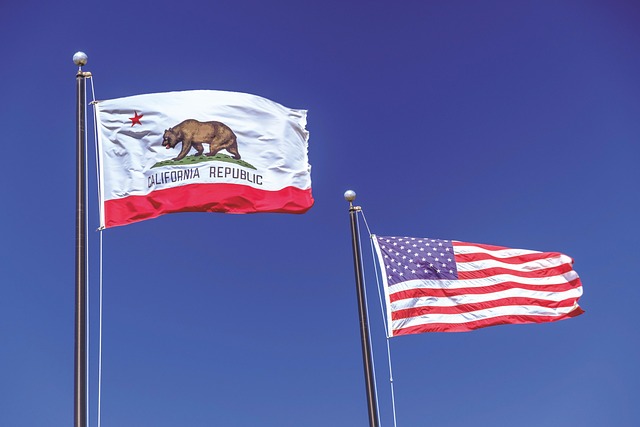
Moving to California with your vehicle? Understanding the California DMV out-of-state registration process is crucial for a smooth transition. Unlike some states, California has specific requirements for vehicles registered in other states, including mandatory smog checks and proof of auto insurance. This comprehensive guide will walk you through the steps, ensuring compliance with California’s regulations.
First, if your car was registered in another state, it must pass a smog check to be legalized in California. The out-of-state car smog check requirements vary depending on the age and model of your vehicle. Modern vehicles often have electronic systems that require specialized equipment for testing, which is readily available at certified smog check facilities across the state. For older cars, emissions standards may differ from your home state, necessitating a more thorough inspection.
Additionally, you’ll need to obtain California car insurance. The minimum liability coverage required by law is typically higher than in some other states, reflecting the diverse and often high-risk driving conditions within California. It’s recommended to consult with multiple insurers to secure competitive rates that meet these heightened requirements. Once insured, you can acquire an insurance card, which will be requested by the California DMV during the registration process.
Finally, Quick Auto Tags stands out as a reliable resource for handling your out-of-state auto registration needs. Their expertise in navigating complex DMV procedures ensures a straightforward and stress-free experience. By following these steps and adhering to California’s regulations regarding out-of-state car registration with smog checks and insurance requirements, you’ll be well on your way to becoming a legally registered driver in the Golden State.
Gather Necessary Documents for Out-of-State Transfer

Transferring and registering an out-of-state vehicle in California requires a keen understanding of the state’s specific procedures, especially when it comes to essential documents. The California DMV out-of-state registration guide offers a structured approach, but gathering the right papers is pivotal for a smooth process. One common yet crucial step is ensuring your vehicle passes a smog check for out-of-state cars in California, adhering to strict environmental standards. This requirement underscores the state’s commitment to air quality management.
When preparing for out-of-state title registration in California, you’ll need several key documents. Firstly, secure the original title from the previous state of residence. Additionally, gather current vehicle registration and insurance documentation. It’s also essential to have proof of identification, such as a valid driver’s license or passport. For historical records, some may require original purchase papers or a lease agreement. The California DMV provides a comprehensive list of acceptable documents on its website, offering clarity for out-of-state drivers.
To streamline the process, consider using specialized services like Quick Auto Tags. They offer expert assistance in transferring and registering out-of-state cars, ensuring compliance with smog check for out-of-state vehicles in California and all relevant documentation requirements. By leveraging their knowledge of local regulations, you can avoid common pitfalls and potential delays. This approach is particularly beneficial for those unfamiliar with the California DMV out-of-state registration guide, ensuring a hassle-free transition for your vehicle.
Step-by-Step Guide to CA DMV Out-of-State Registration

Moving to California from another state? Navigating the California DMV out-of-state registration process can seem daunting, but with a clear guide, it becomes manageable. This step-by-step tutorial is designed to help you efficiently register your out-of-state vehicle in California, focusing on the specific requirements for Riverside residents.
First, obtain the necessary documents, including your current state’s driver’s license, vehicle registration, and title. If you’re transferring from a state that doesn’t require titles, like many Eastern states, you’ll need to request a California title from the DMV. Next, visit the California DMV website to start the online registration process, which will guide you through filling out the appropriate forms. In Riverside, the quick auto tags service centers offer a streamlined solution for this task, ensuring your registration is completed promptly.
Once your documents are prepared and submitted, expect a processing period of around 10-20 business days. During this time, the DMV will verify your information and issue your California registration plates and vehicle title. For faster service, consider making an appointment at a local DMV field office or utilizing Riverside’s out-of-state car registration services at Quick Auto Tags, which can expedite the process. Remember to update your insurance and other records with your new California registration details for seamless transition.
Common Mistakes to Avoid During the Registration Process

The process of registering an out-of-state vehicle with the California DMV can be straightforward, but many drivers fall into common pitfalls that slow down or complicate the experience. Understanding these mistakes is crucial to ensure a smooth transition when bringing your vehicle into the Golden State. One significant error is failing to account for the unique requirements of out-of-state car registration with smog checks in California. Many drivers are unaware that their vehicle must meet specific emission standards, which can lead to delays and additional fees. Another frequent issue involves mismanaging the associated costs. Out-of-state car registration fees in California vary based on vehicle type and age, so careful planning is essential to avoid unexpected financial burdens.
Quick Auto Tags offers a comprehensive California DMV out of state registration guide tailored to help drivers navigate this process efficiently. We understand that different states have varying regulations, which can make the transition challenging. Our experts recommend gathering all necessary documents early on, including proof of ownership, vehicle inspection reports (where applicable), and identification. Additionally, being prepared for potential smog check requirements and understanding the breakdown of dmv out of state car fees in California can significantly reduce stress and save time. For instance, vehicles older than five years might require more stringent emission tests, impacting registration costs.
By following a structured approach and seeking guidance from experienced professionals, like those at Quick Auto Tags, drivers can avoid common mistakes. We aim to make the dmv out of state car process as easy as possible, ensuring that our clients are well-informed every step of the way. This proactive approach not only saves time but also helps prevent costly delays, allowing you to hit the roads with confidence in your newly registered vehicle.
Verify and Maintain Your CA Driver's License After Out-of-State Registration

Maintaining your California driver’s license after registering your vehicle out of state can be a confusing process, but it’s crucial for smooth driving. According to the California DMV, when you register a vehicle in California that was previously registered in another state, your out-of-state driver’s license remains valid for 30 days. Within this period, you must update your driver’s license to reflect your current address and the new California registration. This California DMV out of state registration guide outlines the necessary steps to ensure compliance without the usual hassle.
The process begins with verifying your identity and vehicle documentation at a local California DMV office or utilizing their online services. You’ll need to present proof of residency, such as a utility bill or lease agreement, alongside your out-of-state driver’s license and vehicle registration documents. Once validated, you can apply for a California Driver License (DL) and register your vehicle using the appropriate forms. A significant advantage of using private DMV registration services, like Quick Auto Tags in Riverside, is their ability to streamline this process, providing quick auto tags payment options within 1-3 days, ensuring you meet the deadline efficiently.
If you choose Out of state car registration support from Quick Auto Tags, they can guide you through every step, making the transition as seamless as possible. It’s important to stay on top of these updates, as failing to maintain a current California driver’s license can result in penalties and fines. Staying informed about the dmv out of state car process in California is key to avoiding these pitfalls and ensuring your driving experience remains smooth and lawful.
By following the comprehensive California DMV out of state registration guide outlined in this article, individuals can successfully navigate the process with confidence. Key takeaways include understanding specific requirements for out-of-state registration, gathering essential documents, and meticulously adhering to step-by-step procedures. Readers should also be aware of common mistakes to avoid, ensuring a smooth transition when transferring their driver’s license from another state. This authoritative guide empowers individuals to verify and maintain their California driver status effectively post-registration, providing invaluable insights for a seamless experience with the CA DMV.
